اعتماد تصميم SEDD
 حجز مواقف بلدية الشارقة
 اعتماد الطرق RTA
 حكومة عجمان
 التصميم والموافقات
 العلامات الخارجية والداخلية
 اللافتات
 العلامة التجارية للمركبات
 الأعلام واللافتات
 خدمات أخرى
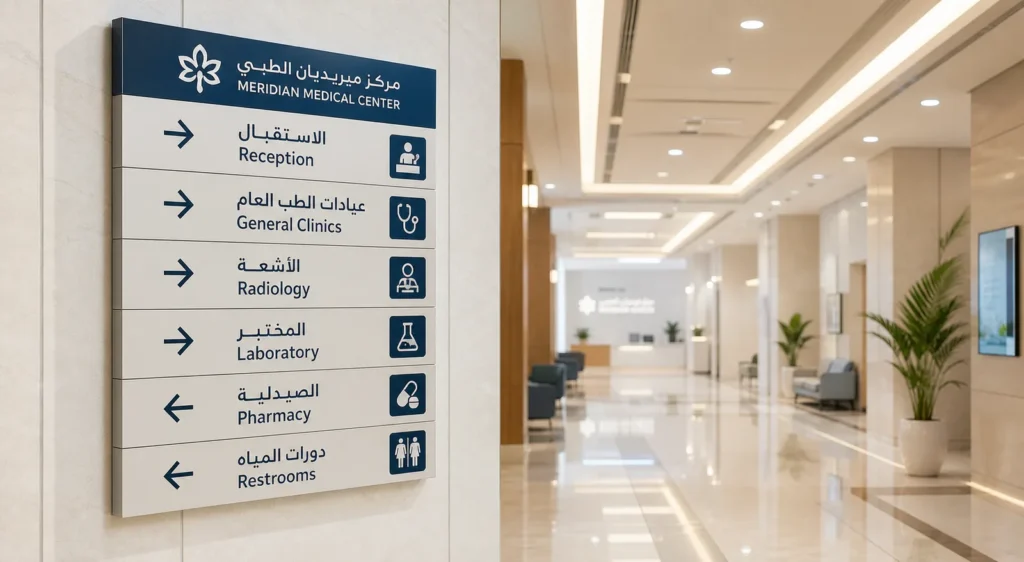
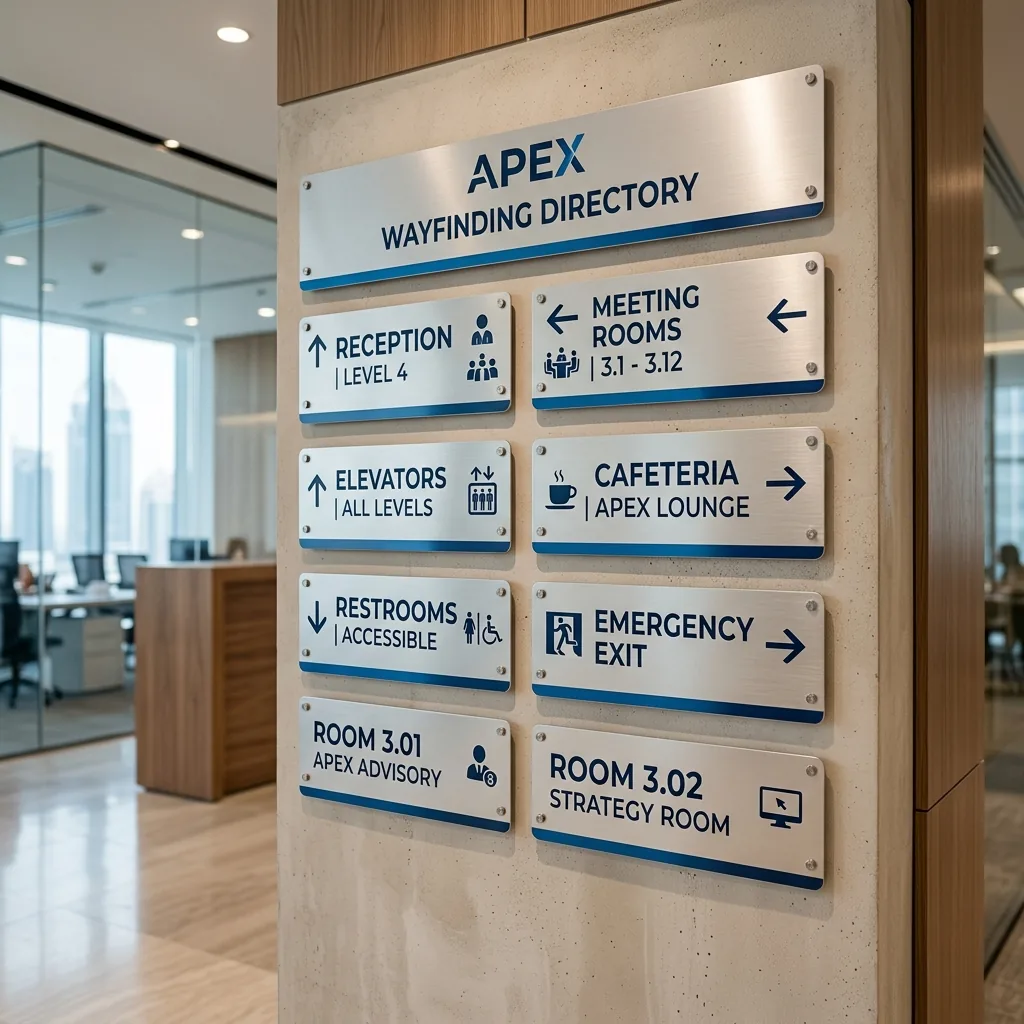
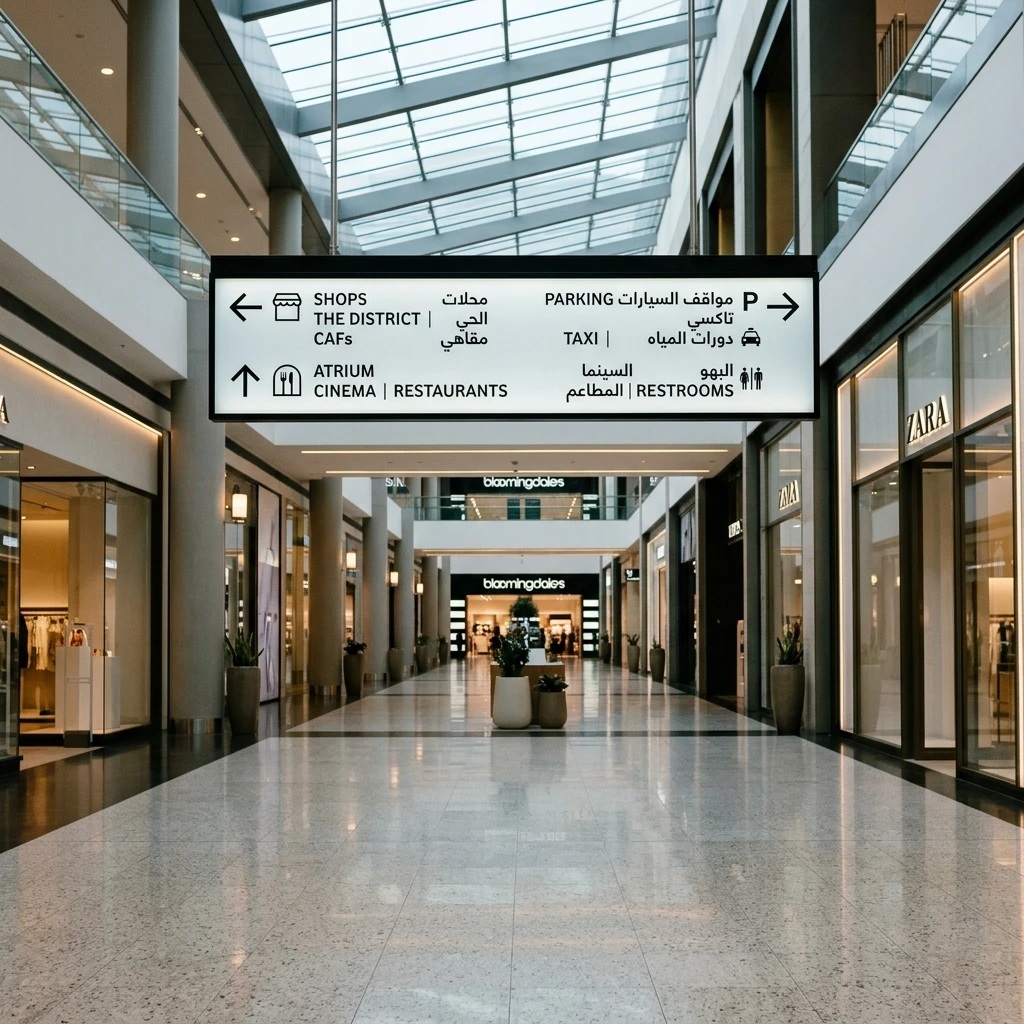
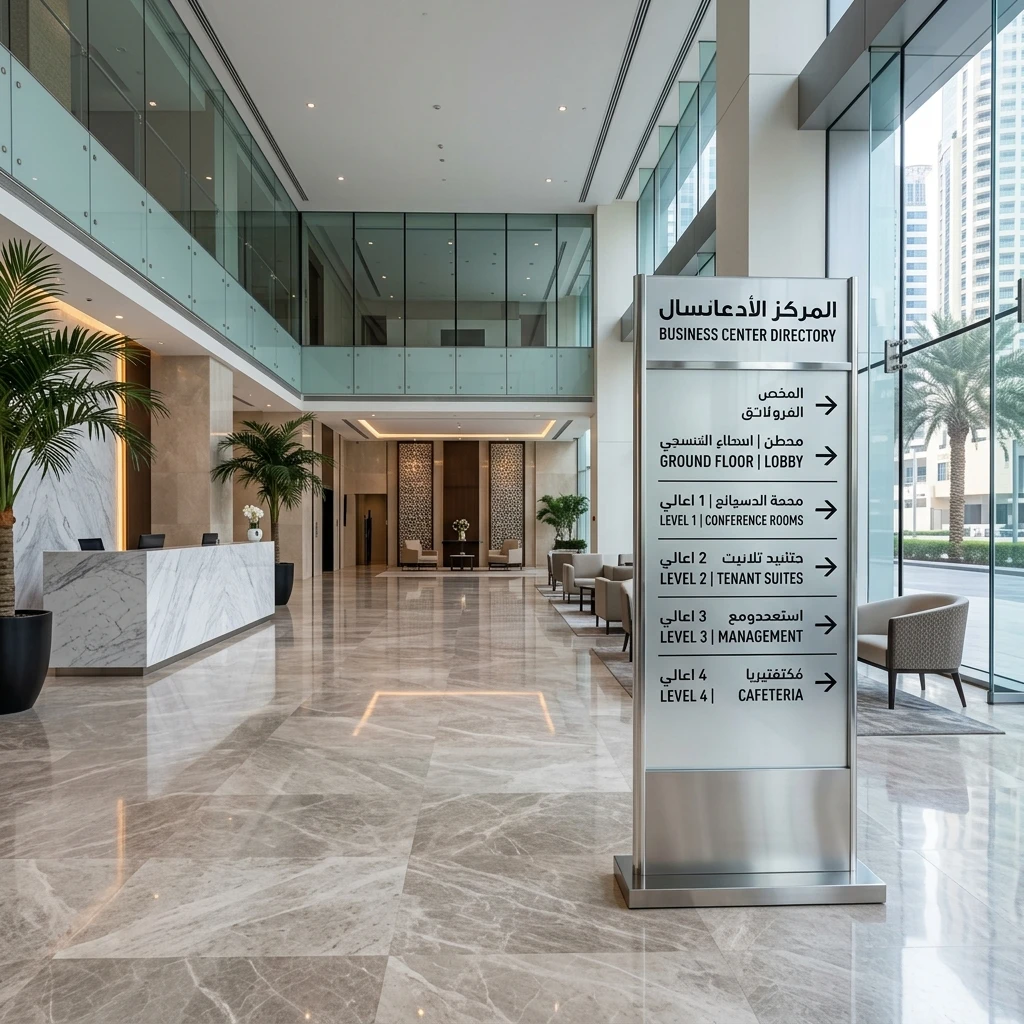
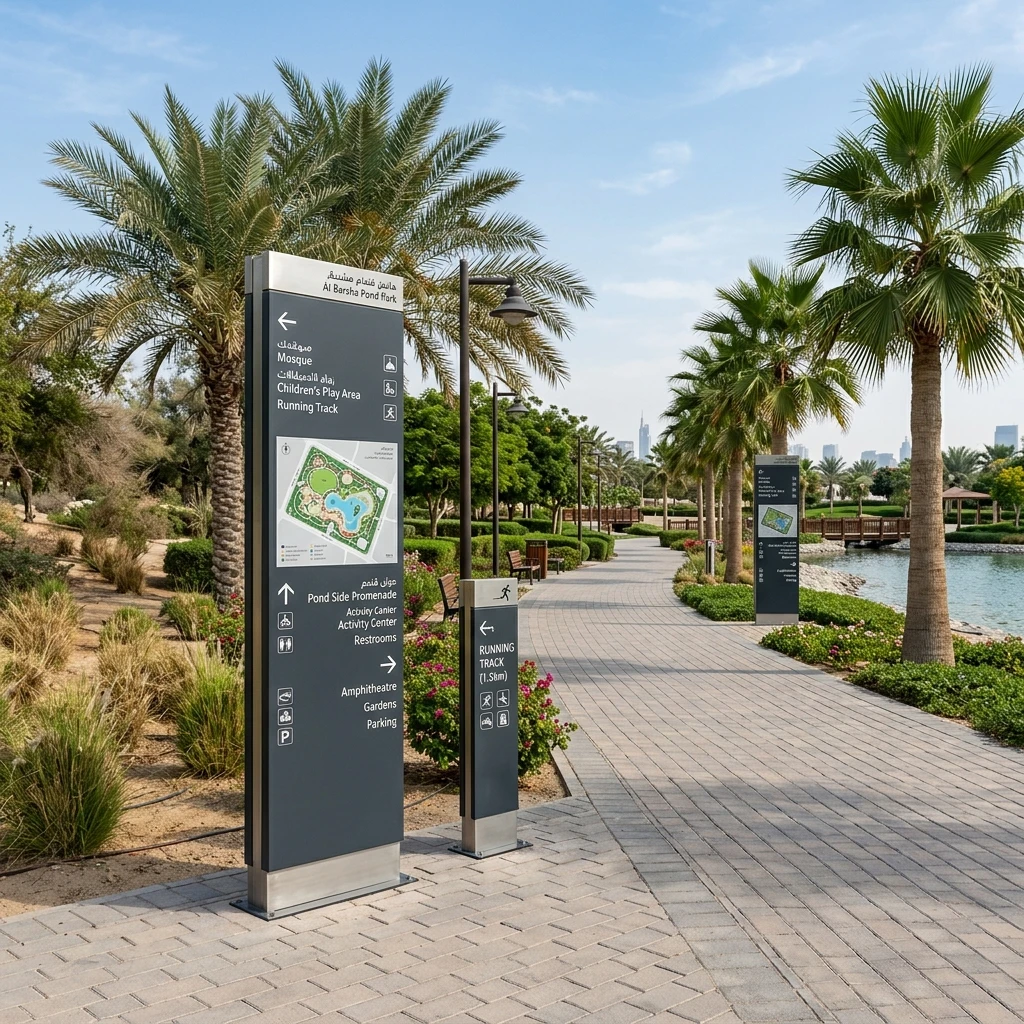
لافتات التوجيه والإرشاد هي برنامج الملاحة المتكامل الذي يوجّه الناس عبر الموقع مع تعزيز العلامة التجارية، جامعاً التوجيه العام والإرشاد الاتجاهي والرسومات البيئية في مخطط منسّق واحد. تخطّط K.A.T SIGNS برامج التوجيه والإرشاد الكاملة وتصمّمها وتنتجها وتركّبها عبر الشارقة ودبي وعجمان وأبوظبي للمجمّعات والمجتمعات والمولات والمستشفيات والمكاتب الكبيرة.
ماذا يتضمّن برنامج التوجيه والإرشاد؟
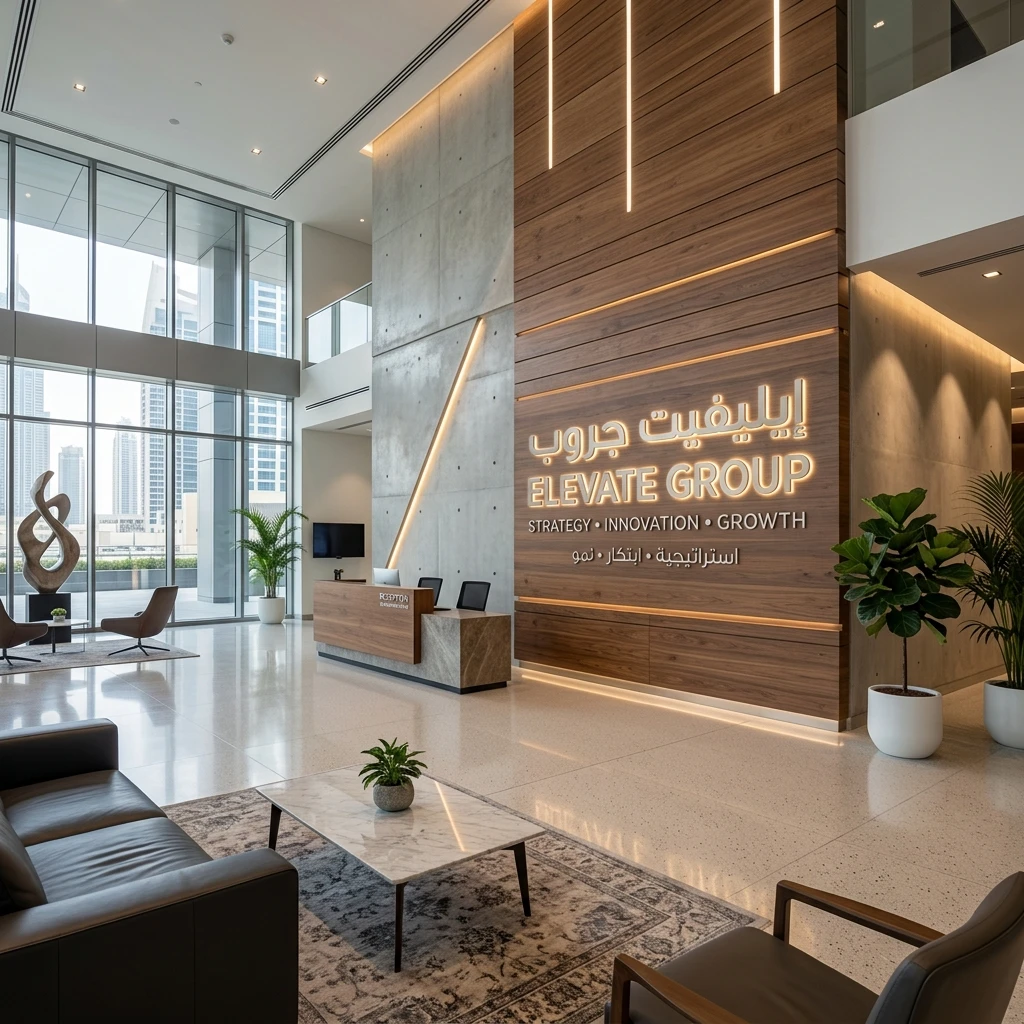
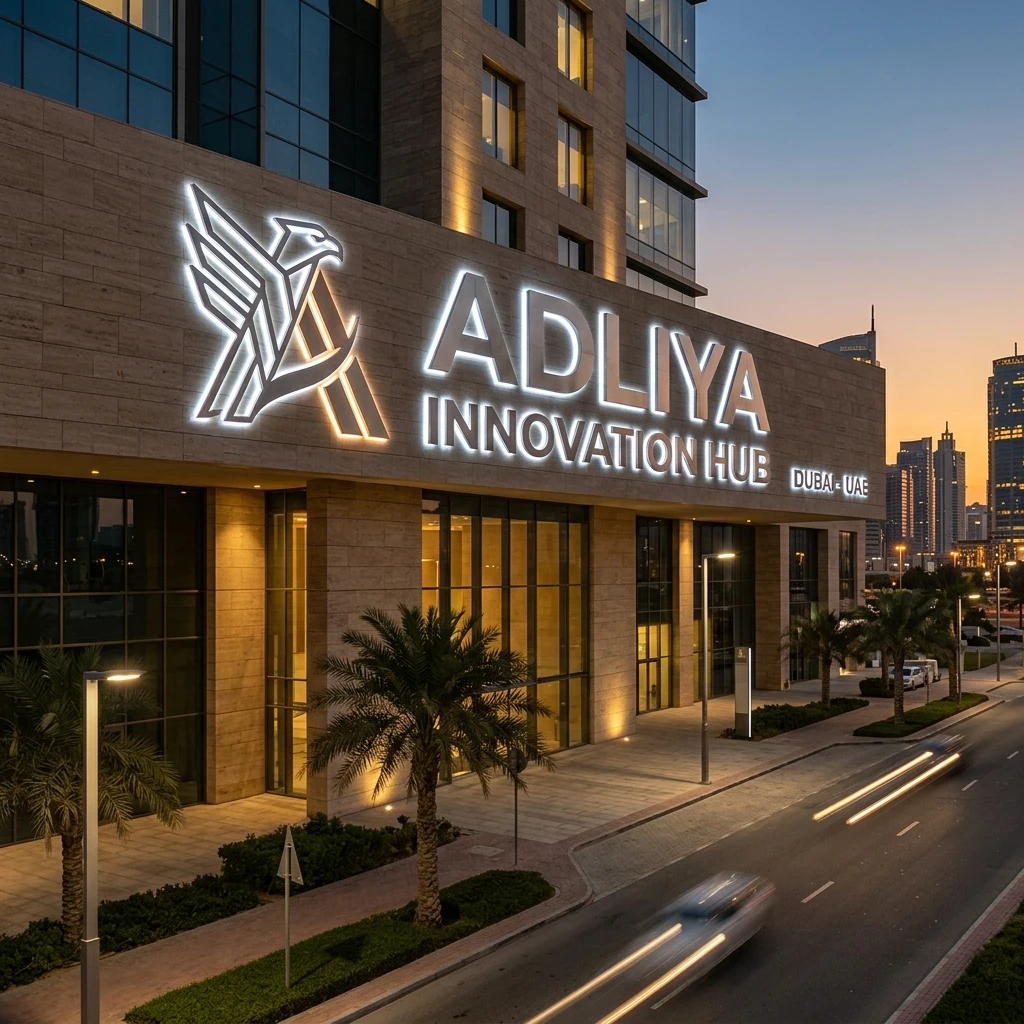
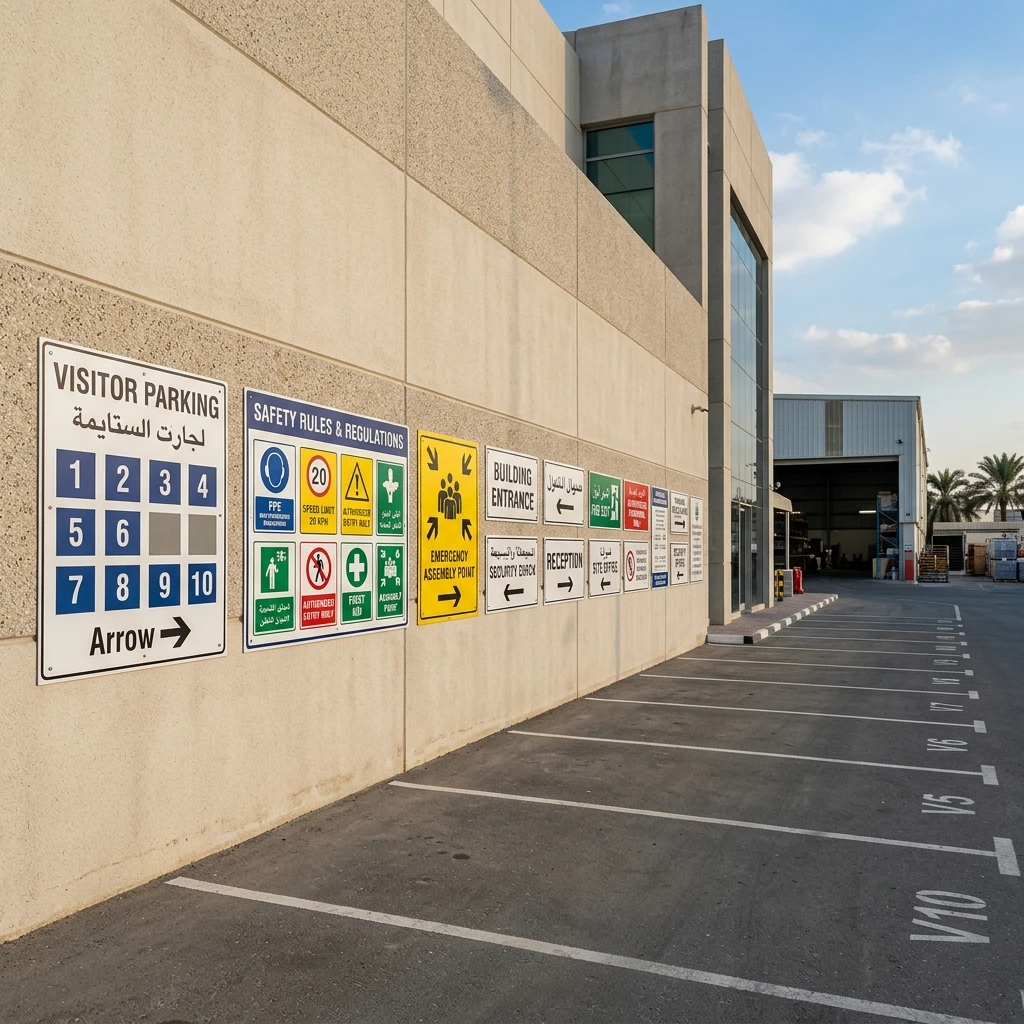
برنامج التوجيه والإرشاد هو الحزمة الكاملة التي تنقل الزائر من الطريق إلى الباب وما بعده، مقدَّمة كنظام تصميم واحد. فهو يجمع لافتات التوجيه عند الوصول، ولافتات الإرشاد على طول المسار، ولافتات التعريف عند كل وجهة، والرسومات البيئية التي توسم المكان، وكلها تتشارك لغة بصرية واحدة. وعند تقديمها معاً، تجعل هذه العناصر موقعاً كبيراً أو غير مألوف سهل الملاحة وممتعاً.
- لافتات الوصول والتوجيه عند المداخل
- لافتات إرشادية للمركبات والمشاة
- أدلة المواقع والمباني
- لافتات تعريف للمناطق والطوابق والغرف
- رسومات بيئية ومميّزة توسم الرحلة

كيف يختلف هذا عن اللافتات الإرشادية المستقلة؟
هذا البرنامج أوسع من اللافتات الإرشادية المستقلة، إذ يربط كل عنصر ملاحة في نظام موسوم واحد بدل مجموعة أسهم منفصلة. فاللافتة الإرشادية المستقلة تجيب عن تقاطع واحد، وينظّم نظام التوجيه التسلسل الهرمي، بينما يذهب برنامج التوجيه والإرشاد أبعد من ذلك بربط الملاحة بهوية الموقع، من النصب عند المدخل إلى أصغر لوحة غرفة، بحيث يبدو المكان بأكمله مصمَّماً. وهذا التماسك بات متوقعاً بشكل متزايد من الوجهات الكبرى في الإمارات، حيث يحكم الزوّار على المشروع بمدى سهولة التنقّل فيه، وتقوّض مجموعةٌ مبعثرة من اللافتات غير المتناسقة مشروعاً فاخراً في غير ذلك. ومعاملة الملاحة جزءاً من العلامة التجارية، لا فكرة لاحقة تُركّب عند التسليم، هي ما يميّز الوجهة المدروسة.
الملاحة جزء من العلامة التجارية. حين تتشارك لافتات التوجيه والإرشاد والرسومات البيئية لغة تصميم واحدة، يبدو المجمّع أو المجتمع مقصوداً ومعتنى به، لا مرقّعاً من قطع جاهزة.
أي المواقع تحتاج إلى برنامج توجيه وإرشاد كامل؟
المواقع الكبيرة متعددة المناطق ذات الحركة الكثيفة هي الأكثر استفادةً من برنامج كامل. يبيّن الجدول أين يقدّم أكبر قيمة في الإمارات.
| الموقع | تحدّي الملاحة | محور البرنامج |
|---|---|---|
| المجتمع والمجمّع السكني | الشوارع والمباني والمرافق | مسارات المركبات والمشاة |
| المول والتجزئة | المتاجر والمناطق والمواقف | الأدلة وهوية المناطق |
| المستشفى والعيادة | الأقسام والوضوح | مسارات واضحة ومطمئنة |
| المجمّع ومجمّع المكاتب | المباني والزوّار | التوجيه والتعريف |
كيف تنطبق قواعد ثنائية اللغة والتصاريح؟
يجب أن يكون كل جزء من برنامج التوجيه والإرشاد في الإمارات ثنائي اللغة بالإنجليزية والعربية مع إبقاء العربية بحجم لا يقلّ عن الإنجليزية، وتحتاج كل اللافتات الخارجية عبر الموقع إلى موافقة البلدية وغالباً المطوّر الرئيسي. ولأن هذه البرامج تمتدّ عادةً عبر اللافتات الداخلية والخارجية معاً، تُدار الموافقات كحزمة منسّقة. تبني K.A.T SIGNS النظام ثنائي اللغة المطابق للاشتراطات وتتولّى مجموعة الموافقات الكاملة.
كيف يُنفَّذ برنامج كامل؟
ننفّذ برامج الملاحة كطرح مرحلي مخطّط عبر الموقع بأكمله.